Exteriors4 min read
When we pull old siding off a house, the damage underneath is rarely a surprise to us and almost always a surprise to the owner. Water gets in slowly, through failed caulking, poor flashing over windows, or a section of trim that has been open to the weather for a couple of winters.
The signs are subtle. Paint that will not hold on one section of trim. A soft spot when you press a screwdriver into the wood below a window. Interior paint bubbling on an exterior wall. A musty smell in a closet on the same wall. Any one of these is worth investigating before it becomes framing work.
The cost of ignoring it is not the siding — it is the sheathing and framing behind it. Replacing a few boards of rotten trim during a siding job is a small line item. Replacing rotten studs and sheathing after another two winters is a different project with a different price.
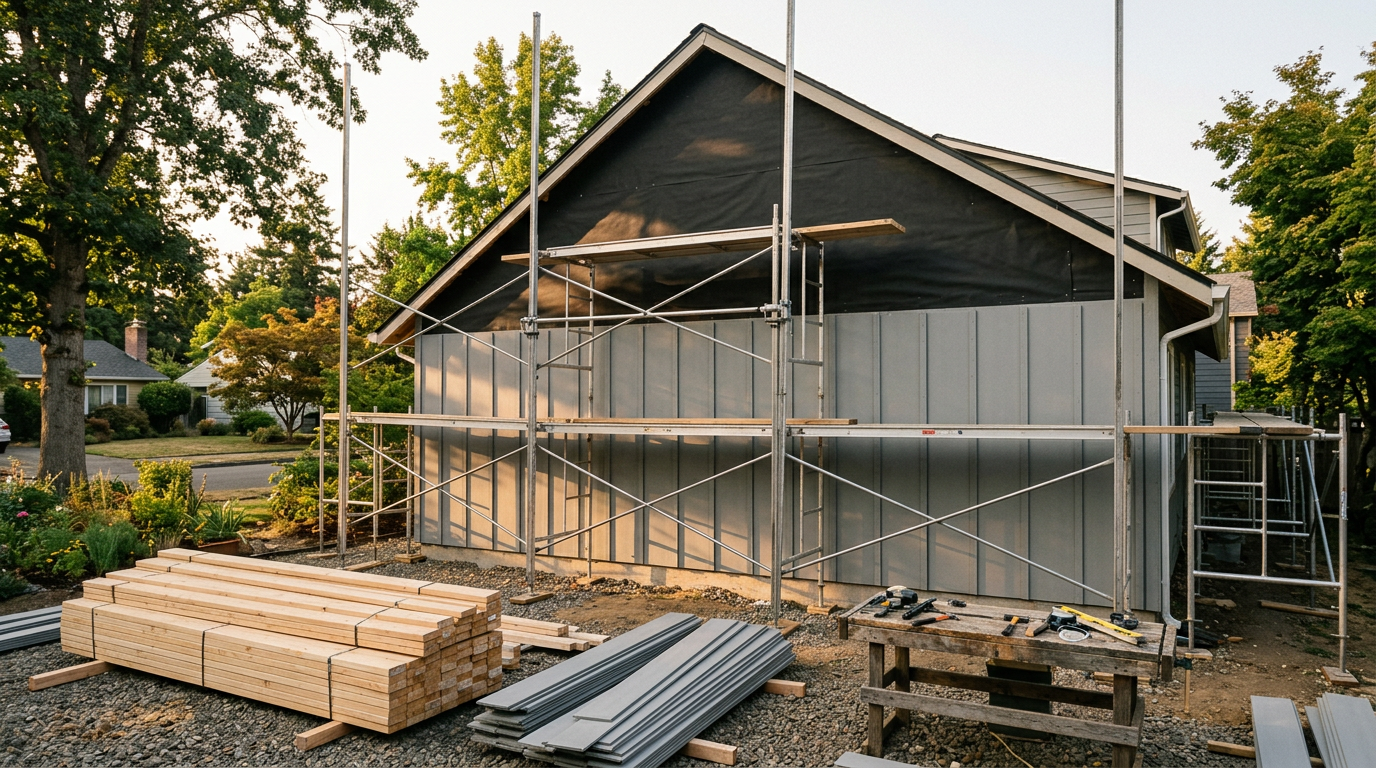
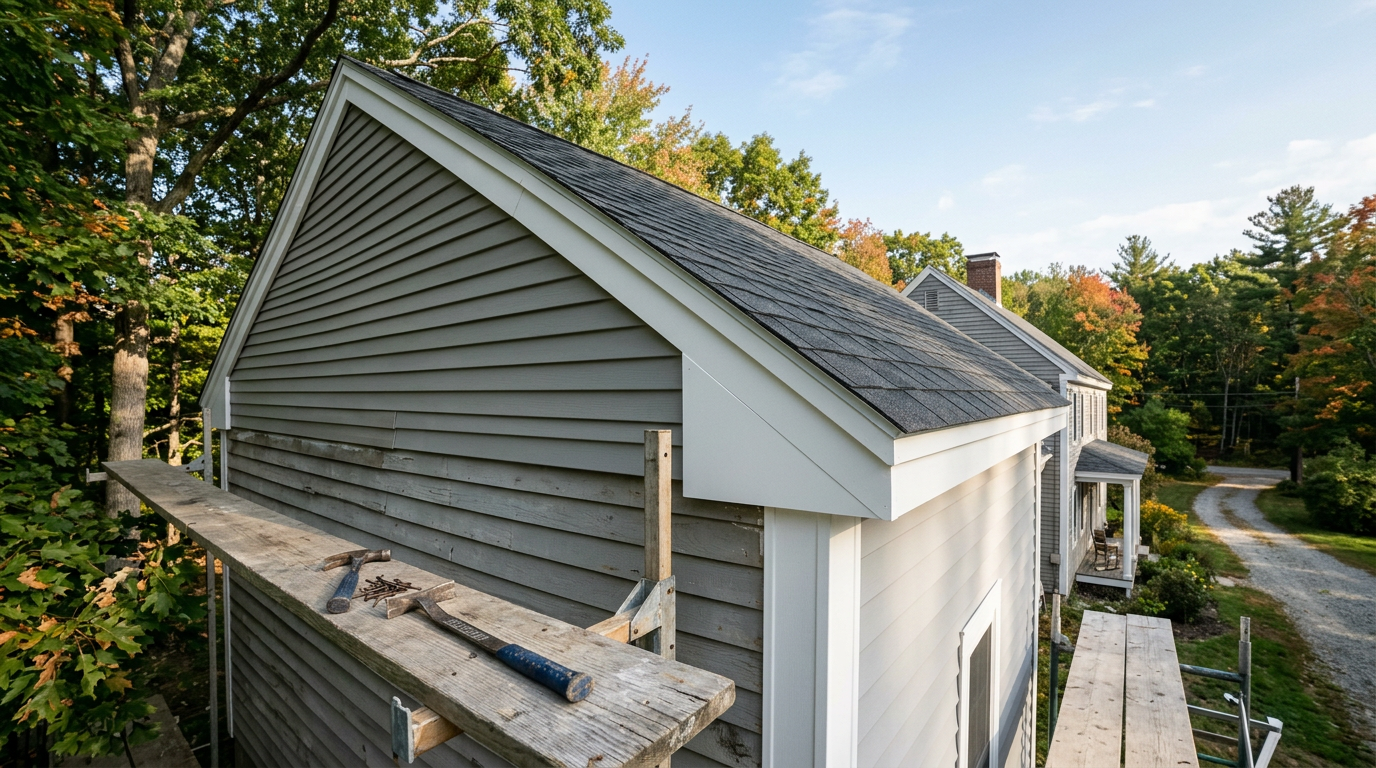
When we take on siding work, we open up the questionable areas and repair what we find rather than covering it. It makes the estimate honest and the finished wall dry, which is the entire point of siding in the first place.